


























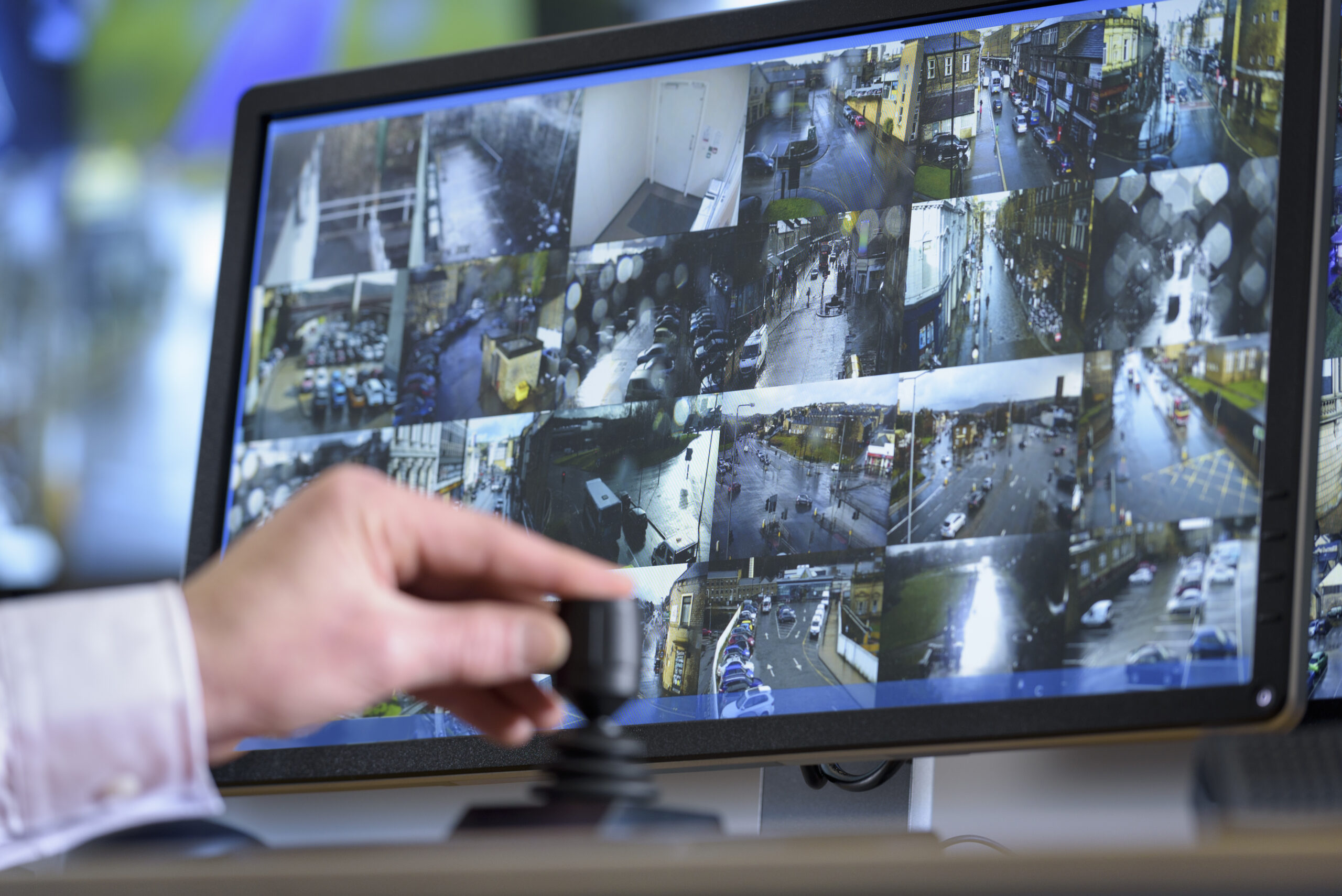
The Genetec Security Center system enables the unification of various sources of information: from cameras and sensors to access-control systems and behavioral analytics. This makes it possible to quickly detect indicators of sabotage activity, such as unusual human behavior, movement in restricted zones, or suspicious vehicle-movement patterns. Moreover, the platform operates in a continuous and predictive mode, meaning it can warn about threats even before an incident occurs.
In hybrid attacks, where physical interference may be coordinated with a cyberattack — for example, the sabotage of a camera system or an attempt to bypass access control — multilayer system protection becomes crucial. Every component of the platform communicates in an encrypted manner based on the zero-trust principle, meaning that all elements mutually authenticate one another. This architecture significantly increases resistance to man-in-the-middle attacks, privilege escalation, and other advanced techniques used by organized threat actors, emphasizes Jakub Kozak, Area Sales Director East Central Europe, Genetec.
Fire as an element of hybrid operations
Recorders as the facility’s “black boxes”
In discussions about sabotage and technical security, the physical protection of video-recording systems is often overlooked, yet these devices, which store footage from cameras, can serve as the facility’s “black boxes,” essential for analyzing an incident after the fact. Unfortunately, if recorders are located physically inside the targeted facility and are not properly secured (e.g., through remote backups or a distributed data-storage architecture), they may be destroyed or stolen.
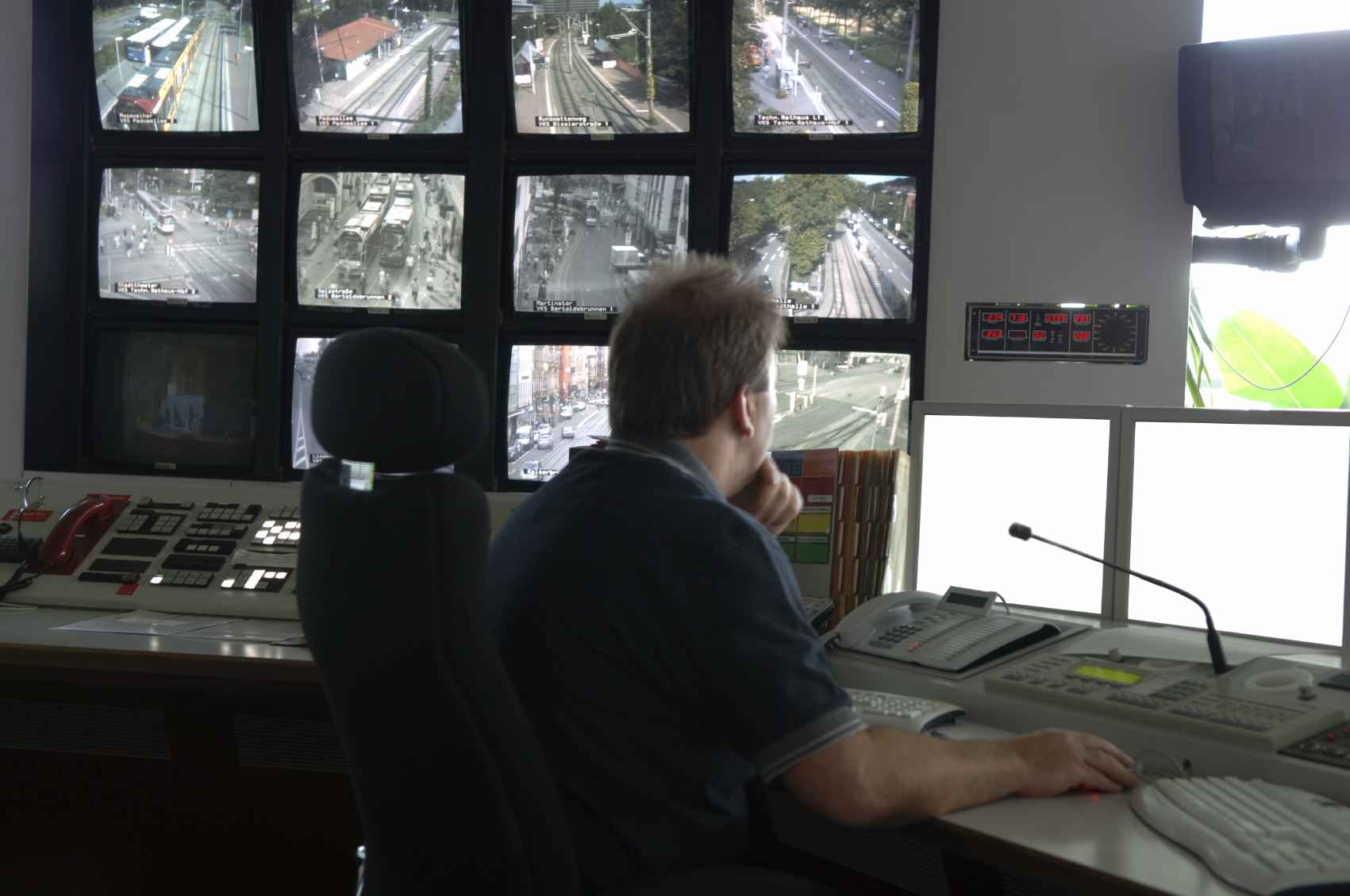
Experts point out that such scenarios have occurred in the past, for example, during bank robberies where criminals deliberately destroyed recorders. This is why, in the era of hybrid attacks, the distributed storage of video data is so important: the physical loss of a single device must not mean the loss of critical evidence.
Default passwords — a doorway for intruders
Active shooter – how can we detect one?
In recent times, the concept of an “active shooter” has become increasingly common. This issue is appearing more frequently in threat analyses concerning critical infrastructure and public facilities, especially after tragic events such as the shooting at Charles University in Prague or the attack at the University of Warsaw. An active shooter is an armed individual moving through a facility and attempting to inflict physical harm in a short period of time. In such situations, an immediate system response is crucial.
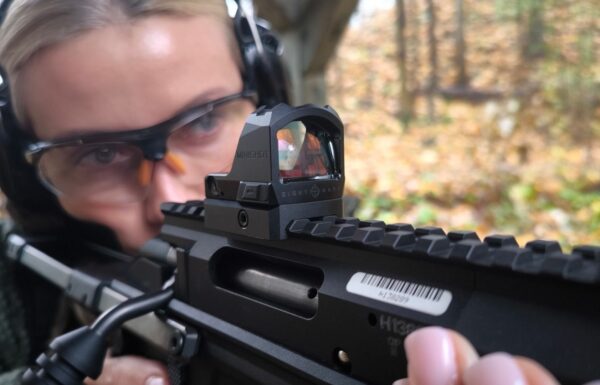
We use weapon-detection algorithms that rely on surveillance cameras. The cameras monitor an area, for example in front of a building, and if the algorithm detects a person with a firearm — slung over the shoulder or held in a ready-to-fire position — the system generates an immediate alarm. This alarm triggers security procedures, which may include automatically locking doors, activating alarm sirens, and notifying security personnel and the appropriate emergency services. As a result, the system can react instantly and minimize the impact of the threat, adds Jakub Kozak.
To enhance its active-shooter detection capabilities, Genetec also integrates solutions that use, among others, acoustic gunshot detection and X-ray scanners. In surveillance systems, we can record both the entry and exit of individuals, the personnel-screening process, and then create a complete video archive together with the stored X-ray scans.
Unification should be the standard
One of the key advantages of the Genetec platform is its unification, the ability to connect all security components within one logically coherent environment. Unlike traditional systems, where video surveillance, access control, incident detection, and data analytics operate separately and require manual correlation of information, the Security Center platform merges these modules into a single operational hub. Such an architecture allows operators to react faster, reduces human error, and automates crisis scenarios.
It is this unification that makes it possible to link fire detection with the unlocking of evacuation routes while simultaneously securing critical zones. It is what enables a signal about detecting an armed individual to automatically trigger an alarm, lock down access to the facility, notify emergency services, and initiate high-resolution recording.
 Photos: Genetec
In military facilities such as air bases, command centers, or strategic equipment depots, such integration should be the norm and a mandatory standard. A lack of coherent information flow can result in delayed responses, conflicting decisions, or even the loss of data critical to multiple operations. In the realities of hybrid warfare, every second matters, and information chaos works to the adversary’s advantage.
In the context of Poland, a frontline NATO state and a potential target of diversionary activities, systems such as Genetec Security Center can significantly enhance the security of military and strategic infrastructure.
Sponsored collaboration
