






















One of the breakthrough solutions is Genetec’s capability to detect the recurring presence of vehicles around protected facilities. By using Automatic License Plate Recognition (ALPR) technology, the platform can record and analyze vehicle license plates, identifying those that appear regularly near military infrastructure.
 Photos: Genetec
What might go unnoticed by a human, for example, a single car parked several times in a week near a specific facility, or several vehicles frequently appearing together next to the same site, can serve as a trigger for an alert and a starting point for deeper analysis within the system. If a vehicle is not on the authorized-personnel list and its presence cannot be justified in any way, the system can automatically flag it as a potential threat. This type of preventive analysis has already been used to identify individuals cooperating with foreign intelligence services.
Biometrics as a method of identification
In traditional access-control systems, authorization is based mainly on a card or an individual code (PIN). In practice, this means that such systems verify “what you have” (e.g., a card) rather than “who you are.” In facilities of high importance, such as military sites, the goal is not to check a card but to verify who is actually entering the building. A card can be handed to another person or lost, and subsequently misused. These are examples of situations that a traditional system would not be able to detect.
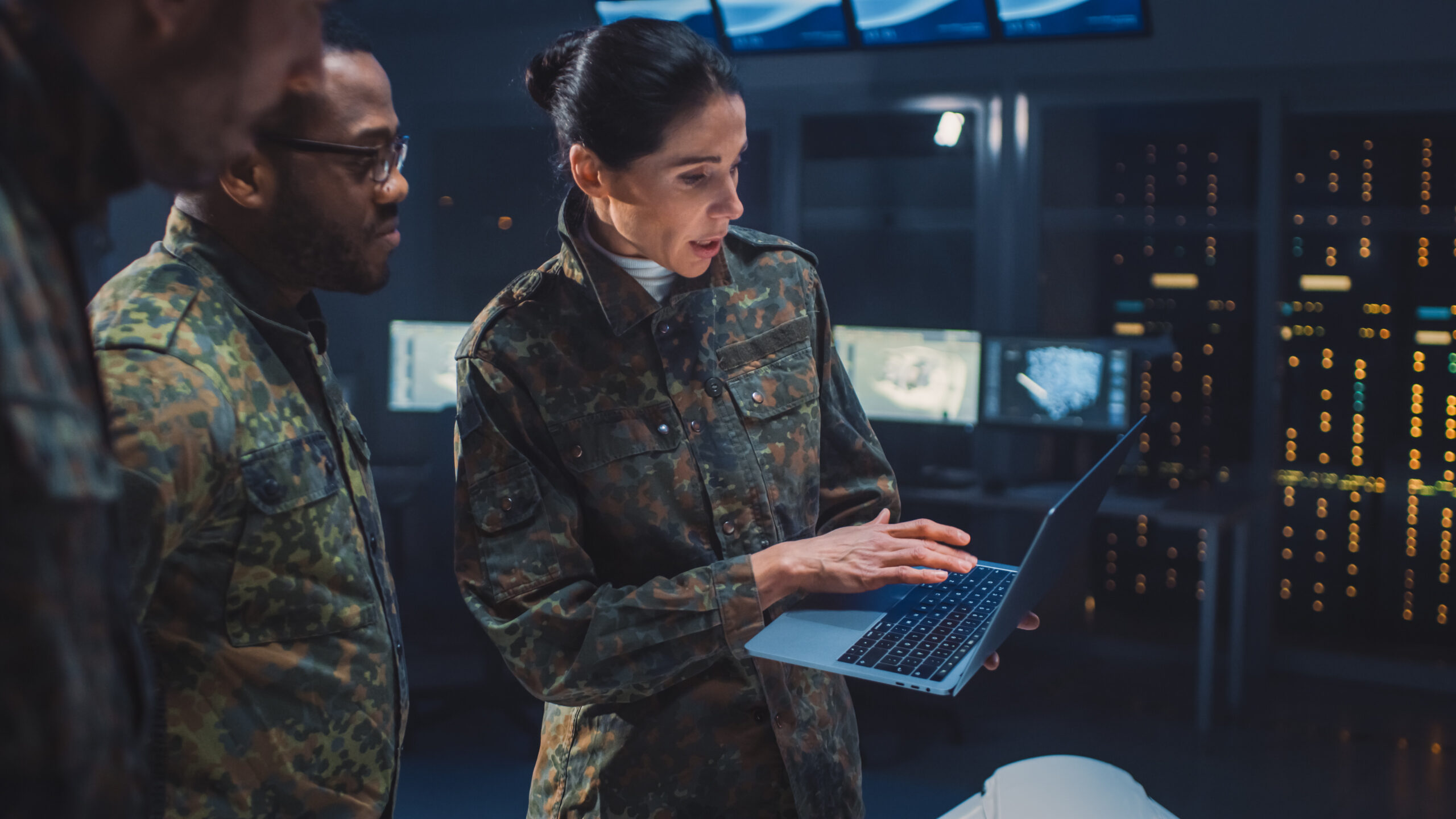
To reduce such risks, additional authorization factors are increasingly being used: traditionally, a card and a PIN, meaning “what you have” and “what you know.” Even in this model, misuse can occur, a code can be passed on or obtained in an unauthorized way. Therefore, the next stage in the evolution of access-control systems is the introduction of another element, “who you are,” meaning biometrics.
“The Genetec Security Center platform allows the integration of biometric data (e.g., fingerprints, retinal scans, 3D facial models) with the access-control system, making it possible to verify not only the identifier but the actual identity of the user. Additionally, in more advanced configurations, the user’s behavior can be analyzed relative to their assigned profile, for example, by comparing whether the person visits the same zones at similar times with consistent frequency,” emphasizes Jakub Kozak, Area Sales Director, East Central Europe, Genetec.
Although biometrics offer the highest level of security in access control, they come with specific requirements, both technological and organizational. Low-quality biometric readers can significantly slow down the authorization process, frustrate users, and create bottlenecks at entry points, especially during peak hours. This is why deploying high-grade devices that can quickly and reliably recognize a face or fingerprint, even if not positioned perfectly, is so important. There is always a certain trade-off between user comfort and the level of security: the higher the security, the lower the throughput of control points. This is why integrating biometrics with an intelligent system that automates responses and speeds up verification is key to effective and user-friendly protection of facilities.
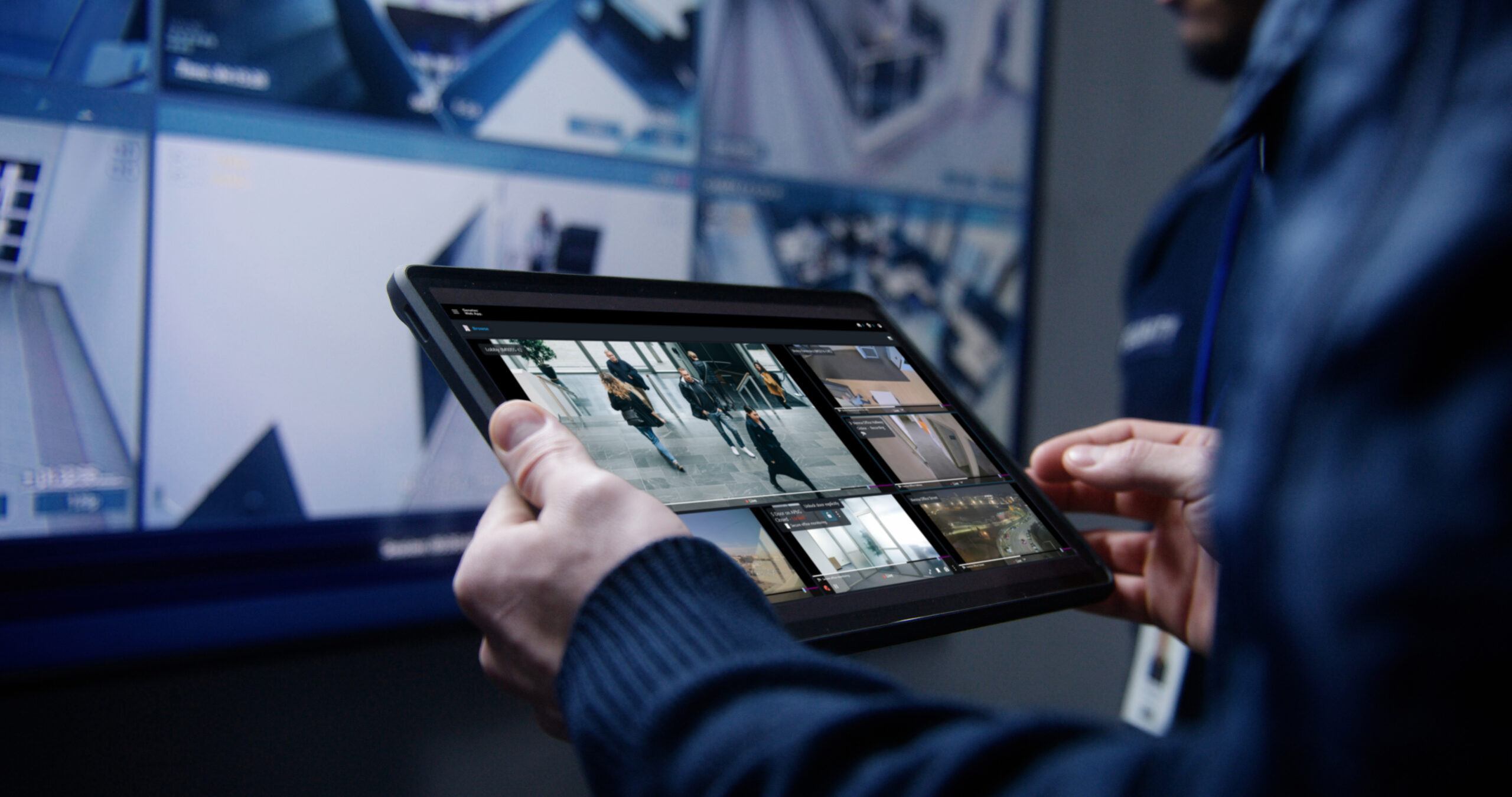
Unified Platform
Detection of fake BTS stations
An important aspect of modern counterintelligence operations is the detection of so-called fake BTS stations, devices impersonating legitimate mobile network transmitters. Such tools are commonly used to intercept calls, locate specific phones, or disrupt communications within military facilities.
Genetec, in cooperation with Vespereye Sentinel, offers integration with SIGINT (Signals Intelligence) systems that make it possible to map electromagnetic activity around protected zones. This enables the detection of unauthorized transmissions, identification of their source, and the transfer of data to the system operator via the Genetec platform. This solution can be linked with the video-surveillance system, allowing, for example, rapid tracking of the operator of an IMSI-catcher device.

The use of advanced analytics and integration with external systems makes it possible to detect non-standard threats, from drones moving along unusual trajectories to attempts by “silent intruders” who avoid traditional detection methods. While such solutions do not replace patrols, they increase their effectiveness and situational awareness, especially thanks to automated decision-support mechanisms.
Systems developed by Genetec increasingly make use of advanced automation and data analysis supported by machine learning (ML). These are not yet fully autonomous artificial-intelligence solutions in the sense of large language models or self-learning systems, but rather intelligent automation based on pattern analysis and data correlation. The platform analyses data from many sources and supports operators in classifying threats, detecting unusual behaviors, and identifying anomalies.
Genetec’s solutions demonstrate that a properly integrated analytical platform can effectively support security operations in high-risk environments. At a time when adversaries increasingly affect not only the physical security of various facilities but also the information domain, data, their interpretation, and rapid reaction become crucial.
Sponsored collaboration
