



























The IBNS (Integrated Bridge & Navigation System) is a variant of the advanced INTS (Integrated Navigation & Tactical System), which forms the basis of navigation solutions used on NATO and allied naval vessels. For Ratownik, it will be a key component of the ship’s equipment, supporting both traditional rescue missions and extended operational tasks, including the protection of underwater infrastructure and cooperation with unmanned systems.
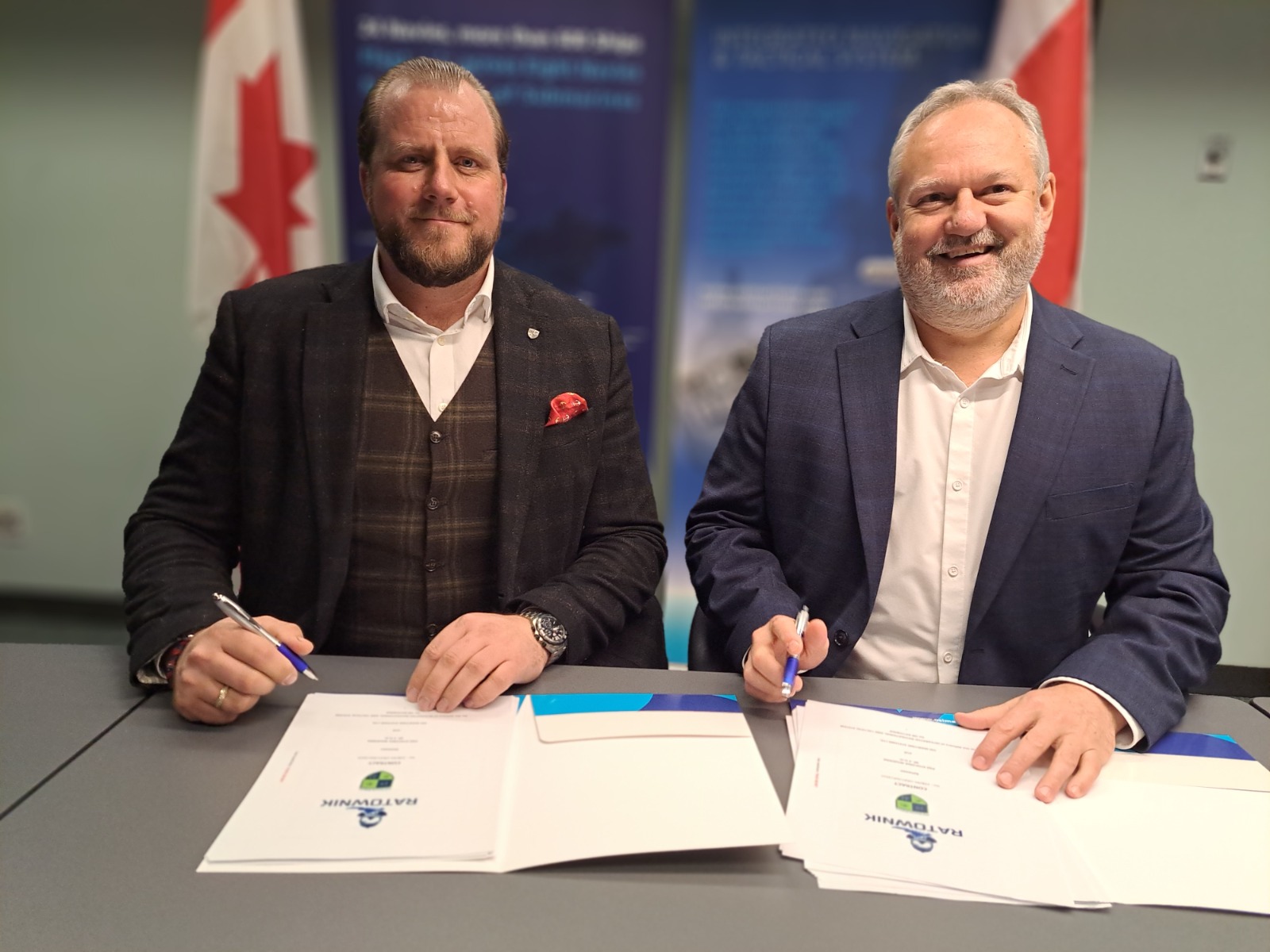 Photo: PGZ Stocznia Wojenna
This is the fourth joint project between the Shipyard and OSI Maritime Systems. Previously, the Canadian partner supplied navigation systems for the Miecznik and Kormoran II programs, as well as for the research vessel Arctowski. The cooperation is based on a Long-Term Partnership Agreement, which includes training Shipyard specialists and developing a Navigation Laboratory and a Mission Systems Integration Centre at the Gdynia facility
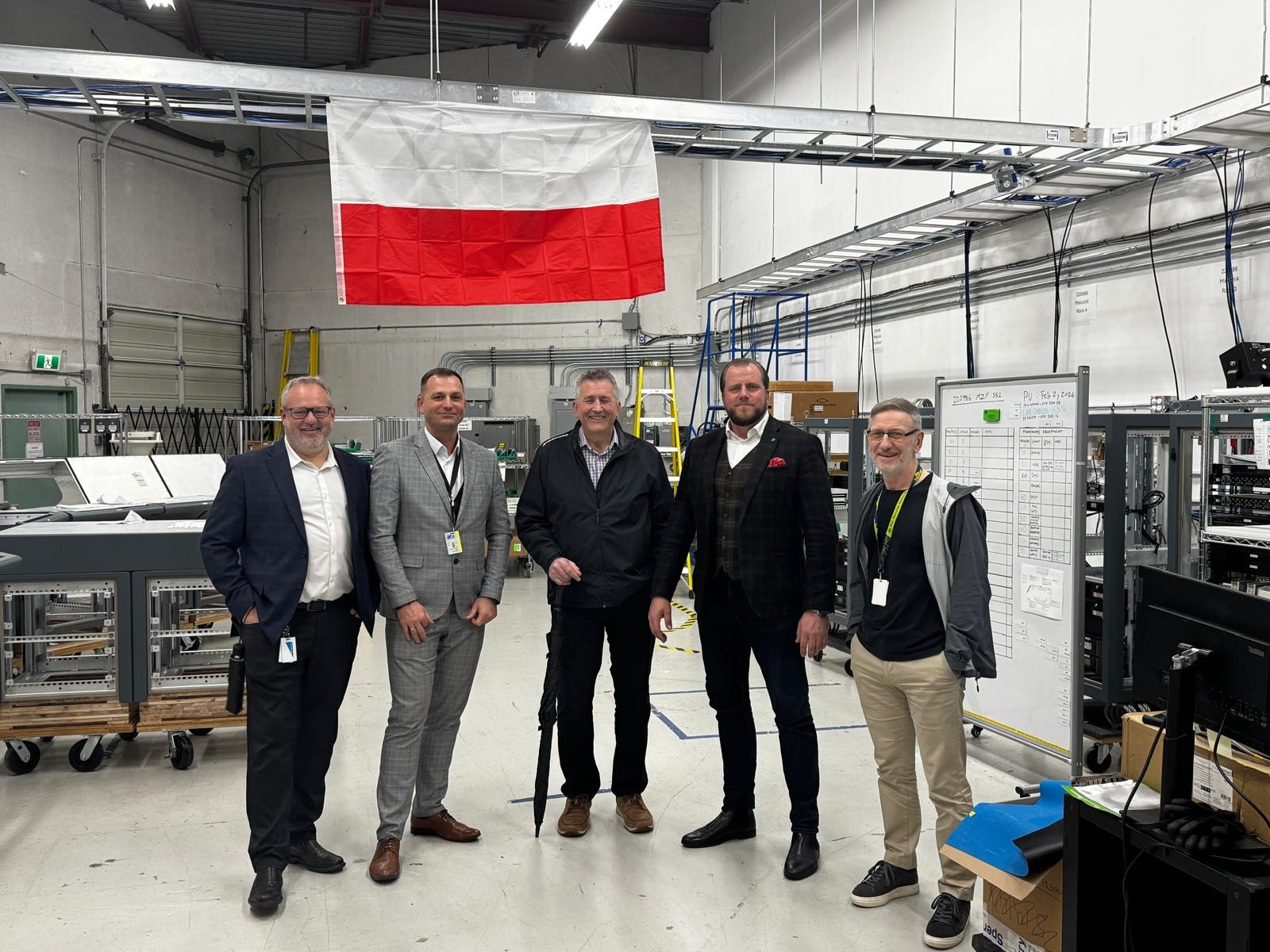
Marcin Ryngwelski, President of the Management Board of PGZ Stocznia Wojenna, emphasized:
“IBNS is a proven system that meets the operational requirements of Ratownik. Our teams know how to cooperate effectively, which is crucial when building critical maritime infrastructure.”
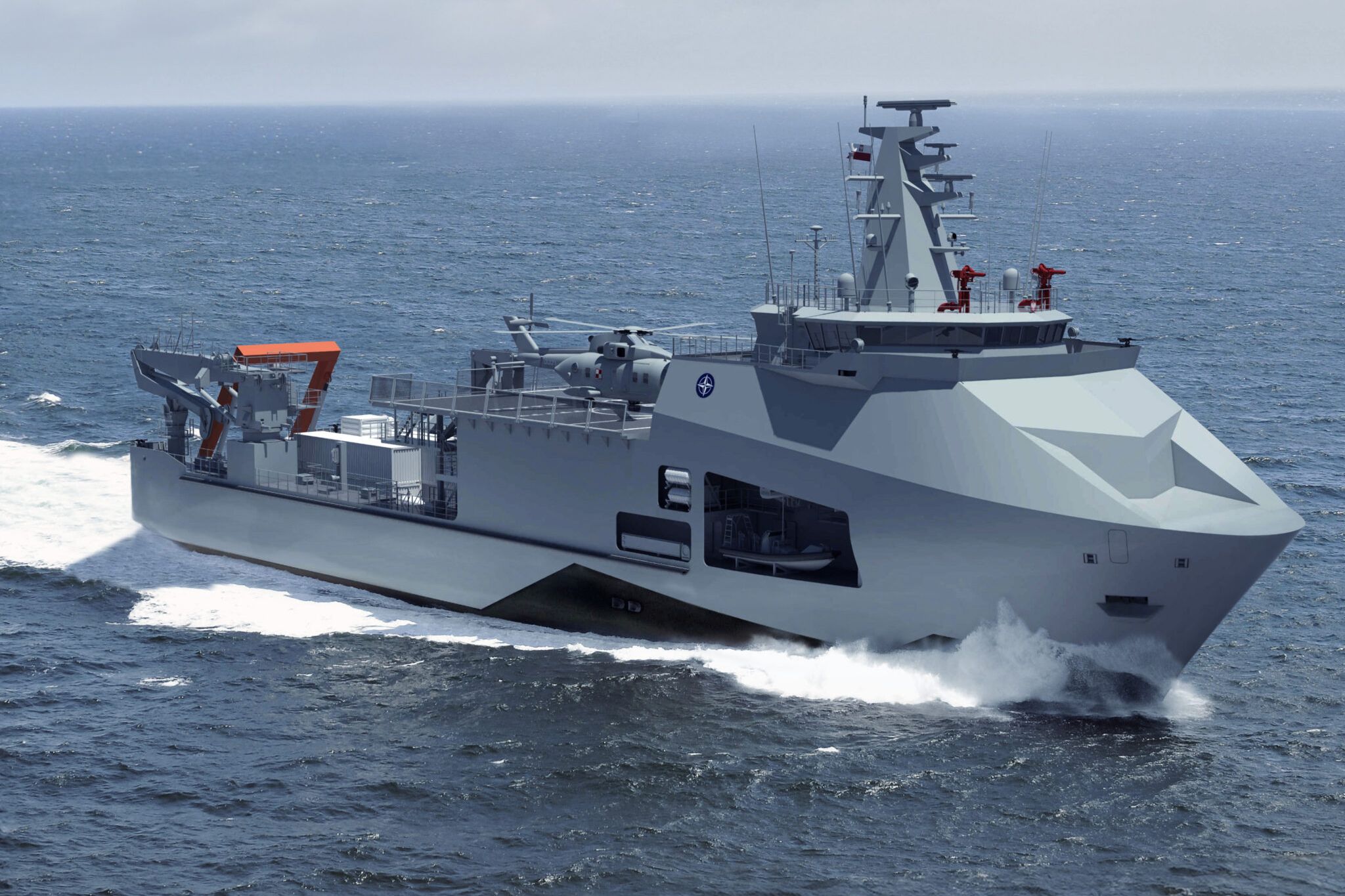
The Project 108 rescue ship will be a large vessel with a displacement of approximately 6,500 tons, a length of about 96 meters, and a beam of 18.8 meters. The ship will be capable of reaching a speed of around 18 knots and will have a range of roughly 6,000 nautical miles.
The crew will consist of about 100 personnel, with accommodations for an additional 9 people. The ship will replace the aging rescue vessels of the Polish Navy and will serve both as a national asset and within the framework of NATO operations.

Earlier, on 8 October of this year, during the 23rd International Maritime and Military Exhibition BALTEXPO in Gdańsk, PGZ Stocznia Wojenna signed a contract with the German company Schottel for the delivery of azimuth thrusters for the Ratownik.
On 26 November, the first steel cutting for the construction of the vessel took place. The keel is scheduled to be laid in February next year, the launch is planned for 2027, and handover to the customer is expected at the end of 2029.