



























MILMAG: What does BAE Systems do in the field of electronic systems?
Craig Nieman: BAE Systems has 60 years of experience in delivering electronic warfare capabilities. Our systems have been used on more than 120 platforms and are employed on 80% of U.S. military aircraft, over 95% of U.S. Army helicopters, as well as on the platforms of many U.S. allies and partners.

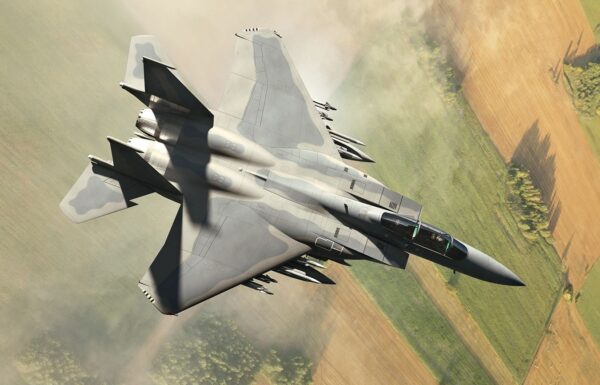
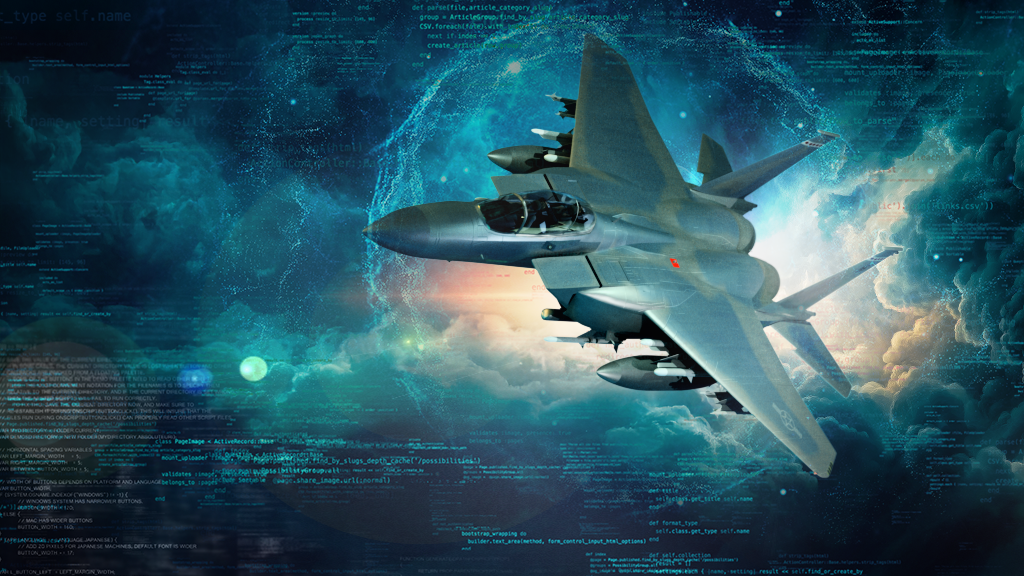
BAE Systems is a global leader in the digital transformation of electronic warfare (EW) systems when it comes to aircraft self-protection. For example, we deliver the AN/ASQ-239 EW suite – an advanced, fully integrated system that provides the F-35 with 360-degree situational awareness and a comprehensive electronic attack capability. In addition, for the F-15E and F-15EX, we provide the Eagle Passive Active Warning Survivability Solution (EPAWSS), a fully integrated solution for radar-warning, geolocation, situational awareness, and self-protection, enabling the detection and defeat of both ground and airborne threats in highly contested electromagnetic environments.
Can we learn more about EPAWSS?
EPAWSS is a fully integrated, digital solution that represents a breakthrough in the use of the electromagnetic spectrum. EPAWSS has overcome many barriers and delivers effects that in many cases far exceed the original design requirements. We have received feedback from senior commanders of operational units using our system, who confirm these observations, stating that EPAWSS is changing how they think about employing the F-15 against an adversary’s Integrated Air Defense (IAD).
The EPAWSS system was designed to degrade enemy IAD systems and allow our protected aircraft to penetrate areas of the battlespace that were previously inaccessible, enabling them to pose a greater threat to the adversary’s critical targets. Until recently, this level of capability was achievable only with stealth platforms. When we talk about stealth, we typically focus on the use of special materials and shapes that reduce radar signature to achieve desired effects, weakening enemy radar systems and allowing aircraft to reach contested areas. EPAWSS offers another way to achieve the same results. The use of digital stealth technology degrades radar tracking capability against the F-15 as well.

You served in the U.S. Air Force for 25 years, and the last three years you have spent working in industry. What changes have you observed in that time in the field of electronic warfare?
Decades ago, flying the F-15 myself, I experienced firsthand how little assistance the legacy analog radar-warning and countermeasure system could provide—most of the time it remained ineffective in the face of modern threats. With today’s advanced electronic warfare systems like EPAWSS, the difference between the situation 30 years ago and today is enormous. What we can do now is “magic.” The aircraft and its crew are protected in ways they may not fully understand, though in many aspects the system remains intuitive for them. It’s a good problem to have—EPAWSS works intensely in the background, allowing the crew to focus on accomplishing the mission.
What is the future of electronic warfare systems?
Competing within the electromagnetic spectrum will only become more challenging, which is why our systems must be continually improved year after year. BAE Systems has to evolve in this area, and we will continue to develop new solutions. The adversary never stands still—and neither do we. At their core, EPAWSS and similar systems are computers, becoming increasingly configurable and enhanced through firmware and mission-specific software. They require more and more computing power and higher speeds to keep pace with the expanding demands of the electromagnetic environment.
Images: BAE Systems
The digitalization of systems like EPAWSS also provides the necessary flexibility. Therefore, even as systems such as EPAWSS are already being fielded, we are simultaneously introducing the next level of enhancements through mission software and firmware updates, and in some cases by adding new hardware. In addition, we have already introduced the next iteration of EPAWSS, (v)2, which incorporates the latest advances in data processing and microelectronics, allowing both EPAWSS versions to remain current and capable for decades to come.
We will increase bandwidth to stay ahead of the adversary’s next moves in the spectrum, and we will introduce nondeterministic logic or cognitive electronic warfare capabilities to allow EW systems to expand their effectiveness beyond the known threat and technique libraries.
Sponsored cooperation
