

















On Tuesday, August 19, 2025, the U.S. company Shield AI announced that, in cooperation with Airbus U.S. Space & Defense, Inc. (part of the European Airbus Group), it had conducted the flight of an unmanned UH-60B Lakota (H145 variant) helicopter demonstrator as part of the first phase of the ALC (Aerial Logistics Connector) program, which is itself part of the broader MARV-EL (Medium Autonomous Resupply Vehicle–Expeditionary Logistics) initiative for the U.S. Marine Corps (USMC).
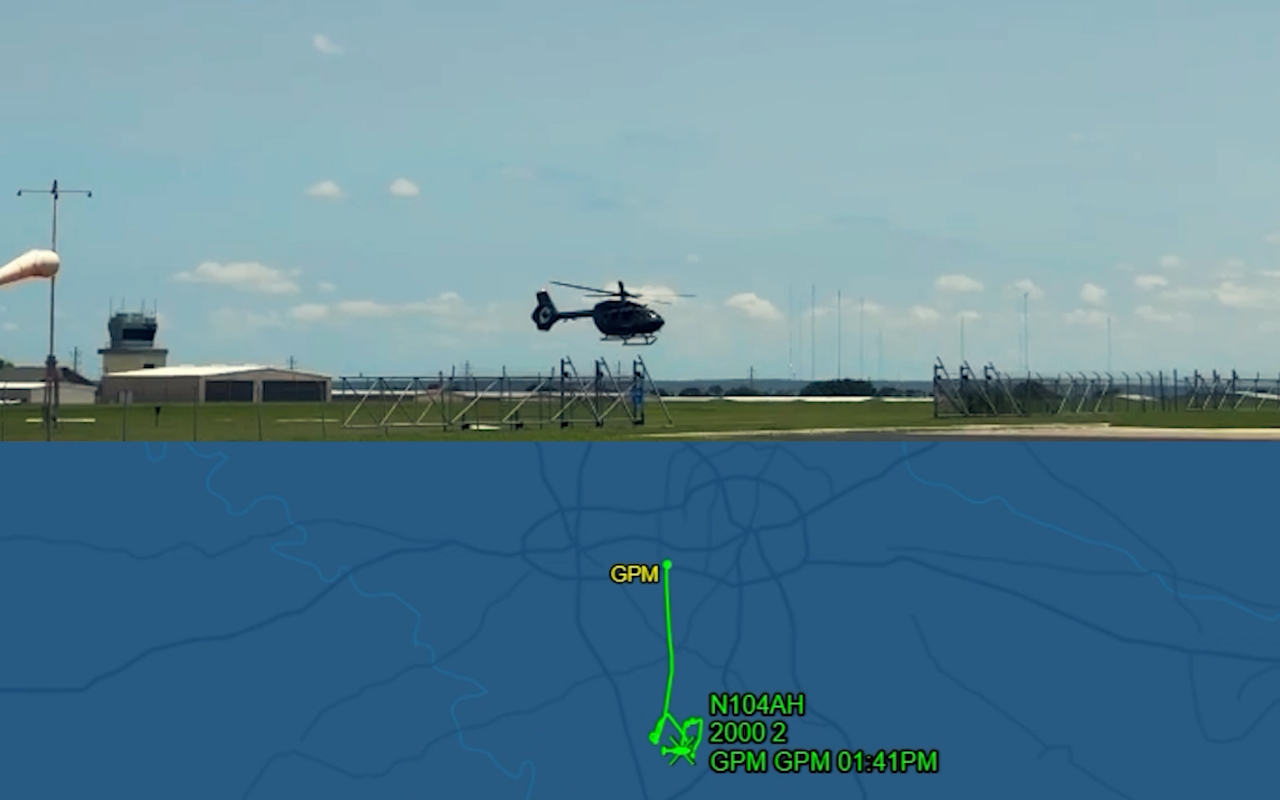 Photo: Shield AI
According to the report, the helicopter’s autonomous flight took place recently from Grand Prairie Airport in Texas. The aircraft was fitted with Shield AI’s Hivemind autonomy software, integrated with Airbus Helicopters’ Helionix avionics flight control suite. Hivemind had recently been tested on the autonomous MQ-20 Avenger (Predator C) unmanned aerial vehicle.
For safety reasons, a pilot was on board during the flight, tasked with intervening in case of a malfunction of the autonomous control system. The helicopter served as a test vehicle in this mission to help refine mission technology, meet program timelines, and reduce both costs and technical risks. Integration of Hivemind with the helicopter was completed in under two months, demonstrating the advantages of its modular, platform-agnostic architecture.
“This flight test is a testament to the strength of our ALC team and opens the aperture on new mission possibilities to support the Marine Corps,” said Rob Geckle, Chairman and CEO of Airbus U.S. Space & Defense. “We are bringing together the best across industry to deliver an aircraft that changes how unmanned operations can support missions across a wide range of logistics.”
“This flight marks an important validation of our approach to mission autonomy,” said Gary Steele, CEO of Shield AI. “Hivemind was built to enable adaptable, intelligent flight across a wide range of aircraft, and this milestone shows how quickly capable teams can leverage that foundation. The collaboration with Airbus is focused, professional, and effective-an excellent example of what can be achieved when both teams are aligned on mission and execution. We’re excited to build on this momentum in the flights to come.”
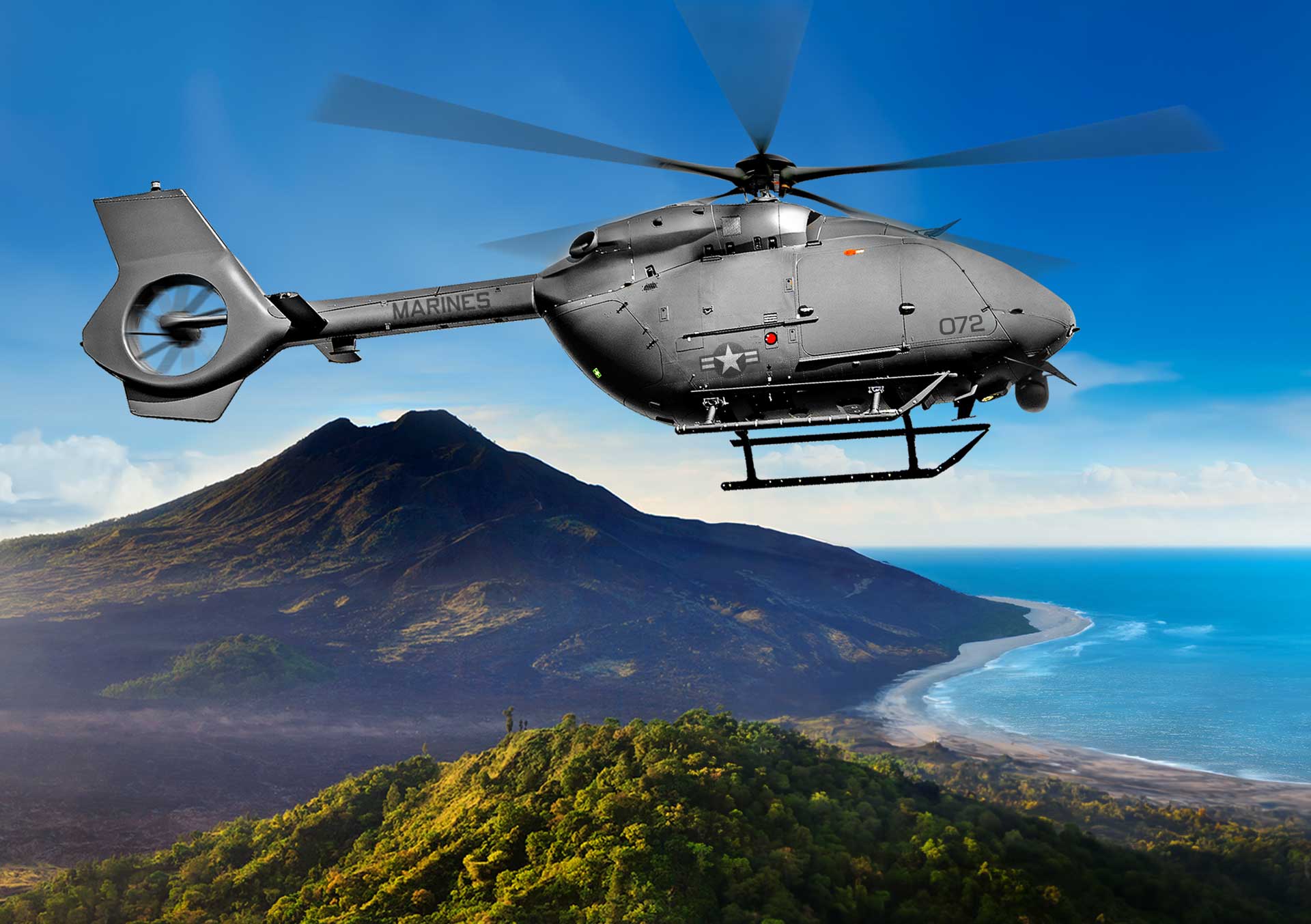 The target UH-72 ULC, which will enter service with the USMC as the MQ-72C Logistics Connector / Graphic: Airbus U.S. Space & Defense, Inc.
On May 14, 2024, Airbus U.S. Space & Defense, Inc. announced that NAVAIR (Naval Air Systems Command) at Patuxent River, Maryland, acting on behalf of the U.S. Department of Defense, had contracted the company to build prototypes of the UH-72 ULC (Unmanned Logistics Connector) transport helicopter. The final aircraft, with the crew cabin removed, will be based on upgraded UH-72B Lakota helicopters and will be designated the MQ-72C Logistics Connector. They will feature cargo doors at the front and rear of the fuselage for access to a spacious cargo bay.
The tested software will be integrated into the MQ-72C project to meet the US Marine Corps’ requirements for the ALC program.
The MQ-72C autonomous helicopters are intended to transport key payloads between shore and ships, such as standard JMIC (Joint Modular Intermodal Container, MIL-STD-3028-compliant) containers and ammunition crates carrying Naval Strike Missiles (NSM), over long distances at high cruise speeds. The aircraft will measure 3.97 m (13.04 ft) in height, 13.54 m (44.42 ft) in length, reach speeds of up to 250 km/h (135 kt), carry payloads up to 3,800 kg (8,378 lb), fly at altitudes up to 6,096 m (20,000 ft), and have a range of more than 650 km (350 nm). The ALC test phase is scheduled to run until 2026, with the final platform expected to enter service two years later.
The autonomy level of the MQ-72C will be scaled through subsequent testing and demonstrations, ultimately enabling crewless operations in environments too high-risk for crewed aircraft. Airbus aims for its mission autonomy software to eventually be adapted for use on other helicopter types beyond the MQ-72C.
ALC is the top tier of the three-phase MARV-EL program, which envisions the deployment of a fleet of uncrewed transport aircraft to support Marine Corps expeditionary operations abroad, particularly in maritime environments. For example, the lowest tier of this fleet is already in service: the light quadcopter TRV-150C TRUAS (Tactical Resupply Unmanned Aircraft System), delivered by Survice Engineering and Malloy Aeronautics.
A major milestone for Shield AI and Airbus. This flight proves what adaptable, intelligent autonomy can do across aircraft and how quickly capable teams can build with Hivemind’s foundation. Looking forward to seeing the efforts of our continued collaboration in flight… https://t.co/hzEKOrZS6X
— Gary Steele (@garylsteele) August 19, 2025
