
















On Wednesday, October 28, 2026, the Supreme Audit Office (NIK) published information on the results of its audit, “Achievement of the Capability to Perform Assigned Tasks by the Territorial Defence Forces” (P/25/024), covering the years 2023–2025.
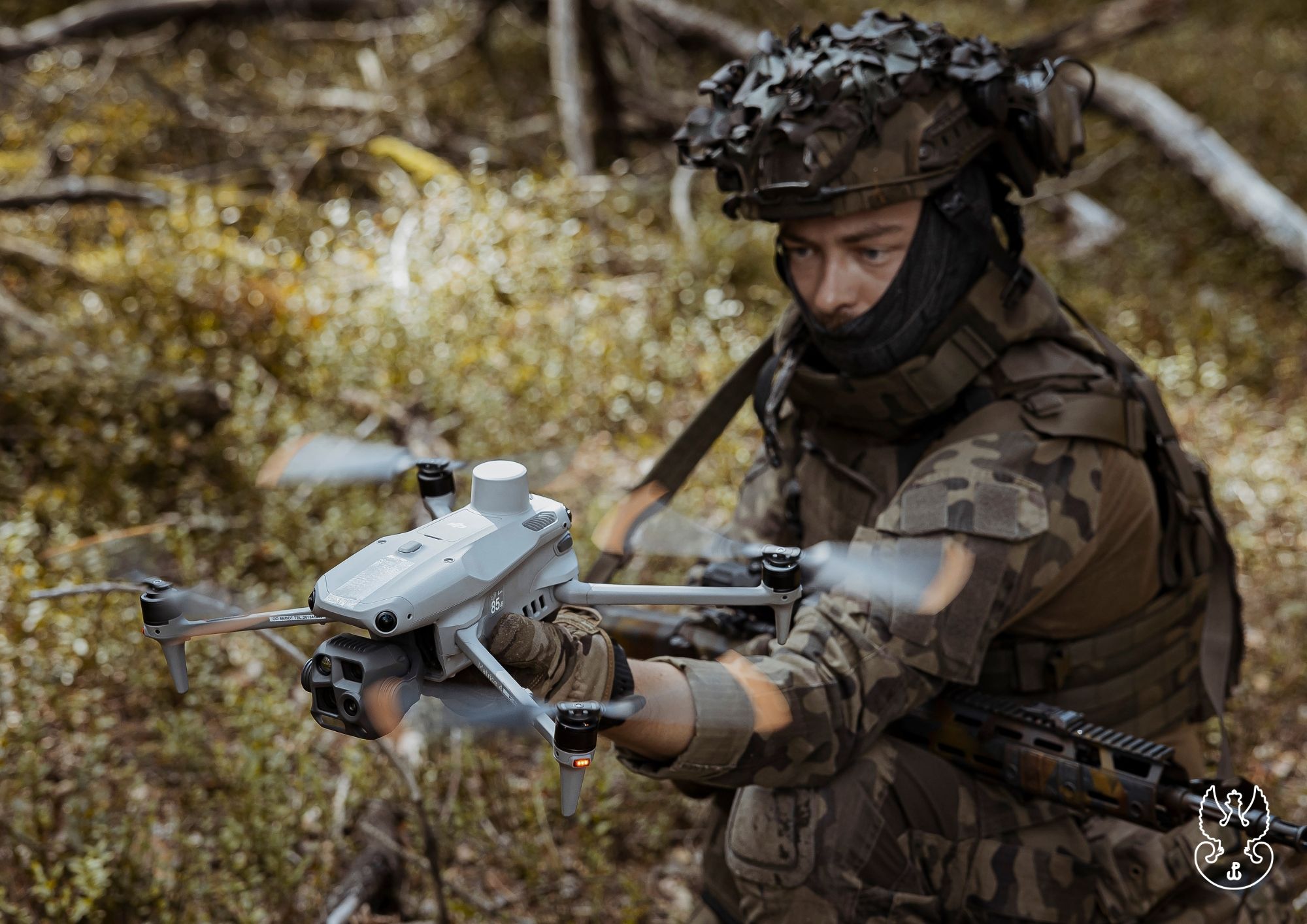 Photo: Territorial Defence Force Command
The Territorial Defence Forces (TDF) carry out tasks related to maintaining readiness for national defense, protecting the population against the effects of natural disasters, mitigating their consequences, protecting property, participating in search operations, and saving or protecting human health and life. The TDF constitute the fifth branch of the Polish Armed Forces, alongside the Land Forces, Air Force, Navy, and Special Forces. Their establishment contributed to strengthening the country’s defense potential.
As the formation of the TDF is being implemented through a five-stage project, the audit covered one TDF unit from each stage of the formation process, as well as the TDF Command, which is responsible for preparing subordinate units. In addition to the TDF Command, the audit covered the following Territorial Defence Brigades: the 16th Lower Silesian, 11th Lesser Poland, 1st Podlaskie, and 4th Warmian-Masurian Brigades. The audit also examined the objectives and directions of TDF development and the supervision of task implementation exercised by the Minister of National Defence.
Key findings
- As part of audit P/25/024, “Achievement of the Capability to Perform Assigned Tasks by the Territorial Defence Forces,” Supreme Audit Office inspectors examined whether TDF development had been programmed properly, organizational structures had been planned appropriately, and the formation had been equipped with military hardware in a proper manner. They also checked whether the equipment was stored and maintained correctly and how rotational training was prepared and conducted in each of the audited TDF brigades.
- The purpose of the audit was to assess whether the implementation of the above processes enabled the Territorial Defence Forces to carry out their tasks effectively.
- The audit also covered the process of preparing soldiers, units, and subunits to perform tasks in crisis situations.
- The Supreme Audit Office identified a number of irregularities in the preparation and functioning of the TDF. At the same time, the Office positively assessed the performance of TDF tasks within peacetime crisis management. One example was Operation Feniks, concerning the mitigation of the effects of the 2024 floods, which involved more than 15,000 TDF soldiers.
Recommendations
As a result of the audit, the Supreme Audit Office recommended, among other things:
- verifying whether documents regulating the operation and employment of the TDF are correct, up to date, and consistent;
- assessing the current capabilities of individual TDF units and subunits;
- reviewing the assumptions underlying the formation and development of the TDF and the desired capability levels of individual units, depending on their location within the country and the security threats present;
- urgently placing the TDF under the command of the Chief of the General Staff of the Polish Armed Forces;
- improving the system for supervising, controlling, and monitoring TDF tasks.
What has changed since the audit was completed?
The Ministry of National Defence is introducing a tool intended to enable and improve the system of control and supervision, as well as the monitoring and evaluation of progress toward objectives set out in the Polish Armed Forces Development Program.
Work is underway to update the TDF Development Plan for 2025–2039.
Analytical work is being conducted with the aim of introducing changes to the algorithm concerning major military equipment.
The Territorial Defence Forces Command is currently reviewing training programs.
“This announcement does not present the full findings of the audit because a significant portion of the information concerning the Territorial Defence Forces is classified. For this reason, it was decided that post-audit statements addressed to brigade commanders would be classified as “Restricted,” while those addressed to the Commander of the TDF and the Minister of National Defence, as well as the information on the audit results itself, would be classified as “Secret.” All key state authorities, including the President, Prime Minister, Minister of National Defence, and the relevant parliamentary committees, were informed of the detailed results of the audit.”
Press release
NIK sprawdziła przygotowanie WOT do wykonywania zadań obronnych i reagowania w sytuacjach kryzysowych w latach 2023-25.
Najważniejsze ustalenia i rekomendacje:
➡ NIK stwierdziła nieprawidłowości w obszarach związanych z przygotowaniem i funkcjonowaniem WOT.
➡ Jednocześnie… pic.twitter.com/IGbumOCgFt— Najwyższa Izba Kontroli (NIK) (@NIKgovPL) October 28, 2026
See also:

